Sleep Environment · Bedding Guide
Mattress Protectors Explained: Choosing Breathable Coverage for Better Sleep
A mattress protector is a quiet layer with an important job: helping defend the surface beneath your sheets from spills, perspiration, dust, and daily wear. The best choice is not simply the one offering the most coverage. It is the one that suits your mattress, your comfort preferences, and the way you care for your bed—without introducing noise, stiffness, or unwanted warmth.
Think of it as considered housekeeping for the sleep space: practical, discreet, and most effective when it works with the bedding rather than against it. Materials, moisture barriers, construction, and fit all influence how a protector feels night after night. Here is how to weigh those details with clarity.
What a mattress protector is—and what it is not
A mattress protector is a removable layer placed between the mattress and the fitted sheet. Depending on its design, it may help limit contact with everyday dust, body oils, perspiration, accidental spills, and ordinary surface wear. Many are designed to be laundered, making them easier to refresh than a mattress itself.
Protectors vary considerably. Some are simple fabric pads intended to create a washable barrier; others include a moisture-resistant membrane. A zippered encasement surrounds the mattress on all sides and closes around it, offering a more complete enclosure. These formats serve different purposes, so it is worth deciding what you want the layer to do before comparing fabrics or finishes.
A protector is not a substitute for cleaning the bedroom, following mattress-care instructions, or addressing a persistent allergy or pest concern. Nor should a general product claim be taken as a guarantee of protection in every situation. If you are buying an encasement for a specific health, pest, or warranty-related reason, check its specifications and the relevant professional guidance carefully.
The three decisions that matter most
Coverage
Choose between a fitted, washable surface layer and a zippered encasement according to the kind of protection and maintenance you need.
Comfort
Consider the surface fabric, membrane, and construction. These details affect breathability, softness, movement, and potential noise.
Fit and care
Confirm mattress dimensions and depth, then compare washing and drying instructions with your usual laundry routine.
Fitted protector or full encasement?
A fitted mattress protector resembles a fitted sheet: elasticated sides hold a protective layer over the sleeping surface, usually with a skirt that wraps around the mattress edges. This straightforward style is generally easy to put on and remove, and it can be a natural choice when the aim is to add a washable layer against day-to-day soil or minor spills.
A zippered encasement, by contrast, encloses the mattress across the top, sides, and bottom. Its full coverage can be useful when a complete barrier is specifically needed. Some encasements are designed with tightly constructed barriers for dust mites or bed bugs; performance depends on the design and stated specifications, so read the details rather than assuming every zippered cover offers the same level of protection.
Enclosures can take more effort to install, particularly on a deep, heavy, or difficult-to-move mattress. Before buying one, check how the zipper opens, whether the mattress can be lifted safely, and whether the cover is intended to remain in place beneath a fitted sheet. For either format, avoid choosing solely by the word “protective.” The construction should correspond to the practical need.
If a washable fitted surface layer is enough, a simple design may be preferable for ease of laundering. If you need full encasement, examine the closure, stated barrier properties, seams, and care requirements. In both cases, fit and regular maintenance are part of how the product performs over time.
Breathability, membranes, and the feel of the bed
“Breathable” is an appealing word, but it is not a complete description of how a protector will feel. The textile against the sheet, the presence and type of a moisture barrier, the thickness of the layer, and the way the mattress retains heat all contribute to the experience. A thin, soft surface can preserve more of the bed’s familiar feel than a bulky or heavily quilted one, though individual preferences differ.
Some protectors use a fabric surface backed by a waterproof or water-resistant membrane. That layer can help limit liquid reaching the mattress, but its comfort depends on its construction. A poorly suited barrier may feel warm, firm, or slightly crinkly under movement. Other designs prioritize a breathable fabric surface without an impermeable barrier. Those may feel more like an additional textile layer, but they are not a replacement for waterproof coverage if spill protection is the priority.
Materials such as cotton are often valued for their familiar hand and ability to take repeated laundering, while blends and technical layers can deliver different combinations of stretch, protection, and drying time. An organic cotton surface may appeal to those who prefer natural fibers, but fiber content alone does not establish whether a product is waterproof, allergy-proof, or more comfortable for every sleeper. Read the full material description and care label.
There is no need to expect a protector to transform sleep. Its role is more modest: to add a layer of coverage while remaining as unobtrusive as possible. If you are sensitive to warmth or texture, look for a slim profile, a soft surface fabric, and clear details about the barrier. Where possible, choose a seller with a fair return policy, and keep the packaging and care information until you know the fit and feel work in your bed.
Fit: the detail that prevents a nightly nuisance
A protector that is too shallow may pull loose at the corners. One that is too large can wrinkle or shift beneath the fitted sheet. Either problem can turn a useful layer into a distraction. Before ordering, measure the mattress rather than relying only on its nominal size—especially if it has a pillow top, a plush comfort layer, or a deep profile.
Measure the mattress length and width, then measure its depth from the bottom edge to the highest point of the sleeping surface. Include any permanent topper that will stay on the mattress beneath the protector. Compare those measurements with the product’s stated dimensions and pocket depth. A fitted protector needs sufficient depth to wrap securely, while an encasement should list the mattress dimensions it is made to accommodate.
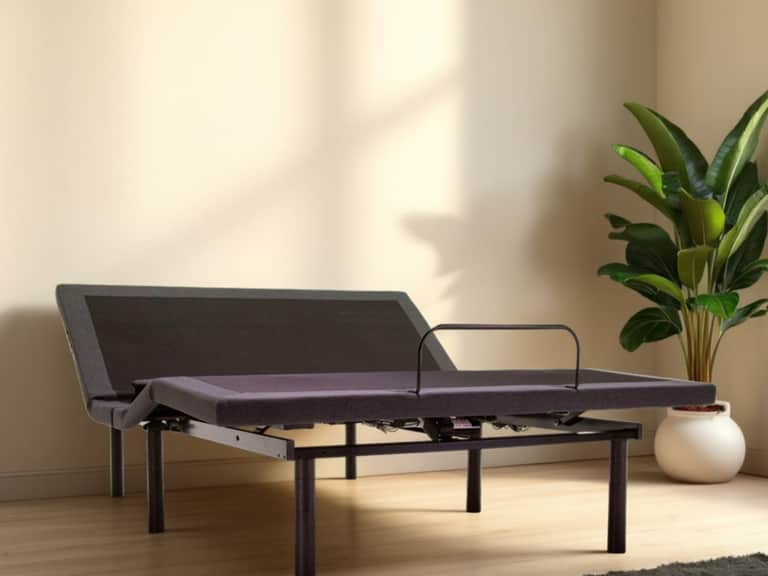
Adjustable beds and split configurations merit particular attention. Confirm that the protector accommodates the individual mattress component rather than assuming a standard size will work. If you use a separate topper, decide whether the protector should cover the mattress alone or both layers; the answer affects the depth required and how the bed is assembled.
- Measure the mattress, including its depth and any permanent topper.
- Check the product’s pocket depth or full dimensions, not just its size name.
- Confirm compatibility with adjustable, split, or unusually shaped mattresses.
- Look for secure elastic, a well-fitting skirt, or a fully closing zipper, depending on the design.
- After installation, smooth the surface and check that the fitted sheet sits comfortably on top.
Washability is part of the design
A mattress protector is most useful when its care routine is realistic. Before purchase, look for the recommended washing temperature, whether machine washing is permitted, how the item should be dried, and whether the instructions restrict bleach, fabric softener, or high heat. A waterproof membrane may require gentler treatment than a simple cotton layer. The care label, not a general rule of thumb, should guide you.
When a spill occurs, remove the bedding and follow the protector’s instructions promptly. Avoid putting a damp or wet layer back onto the bed: it should be fully dry before reuse. If the product is an encasement designed to remain on the mattress, check the manufacturer’s guidance for cleaning and removal rather than treating it like an ordinary fitted sheet.
There is no universal washing schedule for every home or every protector. Frequency depends on use, household circumstances, and product guidance. A practical approach is to wash it when needed and coordinate its care with the routine for sheets and other bedding. Too much heat, harsh chemicals, or unapproved drying methods can damage certain materials and shorten their useful life.
For example, the Sleep and Beyond Organic Cotton Zippered Mattress Encasement is described as a full zippered cover with an organic cotton jersey surface and a waterproof layer. Its listed features include coverage intended to help block bed bugs and dust mites, several mattress depths, and a three-sided opening for installation. As with any encasement, check the exact specifications and care directions against your mattress and needs before choosing it.
How to choose for your sleep preferences
If you sleep warm: Start with thickness and construction. A lightweight, low-profile protector may have less impact on the existing feel of the bed. Look closely at the surface textile and membrane, and be wary of assuming that a particular fiber automatically guarantees a cooler night. The mattress, room temperature, sheets, duvet, and personal comfort all play a part.
If spills are a concern: Prioritize clear information about the moisture barrier and how much of the mattress it covers. A water-resistant surface and a fully waterproof enclosure are not necessarily equivalent. Check what the maker says the product is designed to protect against, and follow its instructions for laundering and drying.
If you want an easier laundry routine: Compare the weight of the protector with your washer and dryer capacity, as well as its care instructions. A large encasement can be cumbersome to remove and wash; a fitted layer may be simpler to rotate. If the protector needs special handling, consider whether that maintenance will remain manageable in ordinary life.
If the mattress is an unusual depth: Measure twice and compare the specifications carefully. A product that fits a standard mattress may not accommodate a plush top or a substantial topper. Correct fit helps reduce shifting, bunching, and strain on the seams or elastic.
If you are sensitive to sound or texture: Look for descriptions of a quiet, soft, or fabric-topped construction, while recognizing that those terms can be subjective. A slight rustle may be more noticeable to some sleepers than others. Avoid adding extra padding if your goal is to preserve a firm, familiar sleep surface.
A calm, practical buying checklist
Shopping becomes simpler when the decision is narrowed to a few useful questions. Rather than chasing a long list of features, begin with the job the protector needs to do and then check whether its construction fits the bed you already own.
- What level of coverage do I need? A washable surface layer and a full zippered enclosure are different formats.
- Does it have the barrier I need? Look for specific descriptions of water resistance or waterproofing rather than relying on vague wording.
- Will it fit my mattress? Confirm size, depth, topper arrangements, and compatibility with adjustable or split beds.
- What will it feel like? Consider thickness, softness, stretch, and the possible effect of a membrane on warmth or noise.
- Can I care for it properly? Check the washing and drying instructions before committing.
- Are claims clearly explained? For allergy or pest-related purposes, confirm the stated specifications and seek professional advice when appropriate.
Common missteps to avoid
Buying by mattress size alone. A queen-size label does not tell you whether a protector will fit a particularly deep mattress. The depth measurement matters just as much as the width and length.
Assuming every protector is waterproof. Some are fabric-only or designed primarily as a washable barrier. Confirm that the product offers the type of moisture protection you expect.
Choosing a heavy layer without considering comfort. More padding is not always better. If the mattress already has a plush surface, an additional thick protector can alter its feel or make the fitted sheet harder to secure.
Overlooking the care label. Washing and drying restrictions are part of the product’s performance. Using an unsuitable temperature or cycle may compromise a membrane, elastic, or textile finish.
Expecting one product to solve every bedroom concern. A protector can be a helpful component of bed care, but it does not replace regular laundering, appropriate mattress maintenance, or specialist help when a specific problem requires it.
The finishing layer in a well-kept bed
The most successful mattress protector is rarely the most noticeable object in the room. It fits smoothly beneath the sheet, performs the job for which it was chosen, and can be cared for without turning laundry day into a project. That understated quality is the point: protection should support a comfortable bed, not compete with it.
Begin with measurements and practical needs. Then compare coverage, surface fabric, any moisture barrier, expected feel, and care instructions. If breathability is high on your list, focus on the whole construction rather than a single material claim. If full enclosure matters, verify the zipper design and specifications. If simple maintenance matters most, choose a format that is easy to remove, wash, and dry according to its label.
Thoughtful mattress protection is one small part of a cleaner, calmer sleep environment. Paired with fresh bedding and sensible care, the right layer can help make looking after the bed a little easier—quietly, night after night.